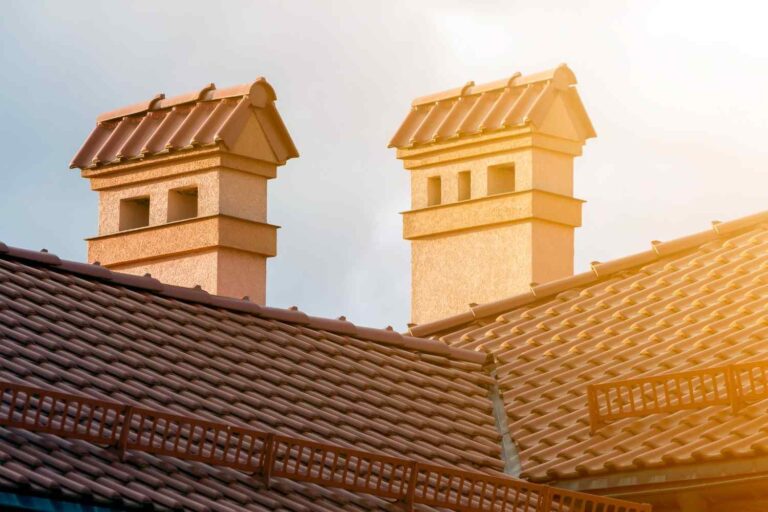
Roofing issues often sneak up on homeowners at the worst possible time for home maintenance. A tiny leak might turn into a big stain, a loose shingle can become a safety hazard, and before you know it, repair costs can escalate. Understanding the most common roofing problems can help you stay ahead of costly surprises and extend the life of your roof. Knowing what to look for and how to handle it makes all the difference, whether you are dealing with weather damage, poor installation, or simple wear and tear.
One of the biggest challenges with roofing maintenance is that many issues are invisible from the ground. Homeowners may not notice problems until they start seeing signs inside the home, like water spots or rising energy bills. That’s why regular inspections and preventative care from professional roofing services, such as Roof Tops LLC, are essential. A well-maintained roof protects your home, increases energy efficiency, and prevents structural damage, saving you money and stress in the long run.
Roofing Problems and Practical Fixes
1. Leaks and Water Damage
The number-one roofing problem homeowners face is a leaky roof caused by damaged shingles, cracked flashing, clogged gutters, or aging materials. Water can find its way into tiny openings, leading to mold, wood rot, and ceiling stains.
How to Fix It:
Start by locating the source of the leak. Inspect your attic for damp insulation, dark stains, or moldy wood. Look for missing shingles, worn flashing, or cracked sealant on the roof. Minor leaks can often be patched with roofing cement or new flashing, but widespread water damage may require professional repair. Small leaks should never be ignored—they rarely stay small.
2. Missing or Damaged Shingles
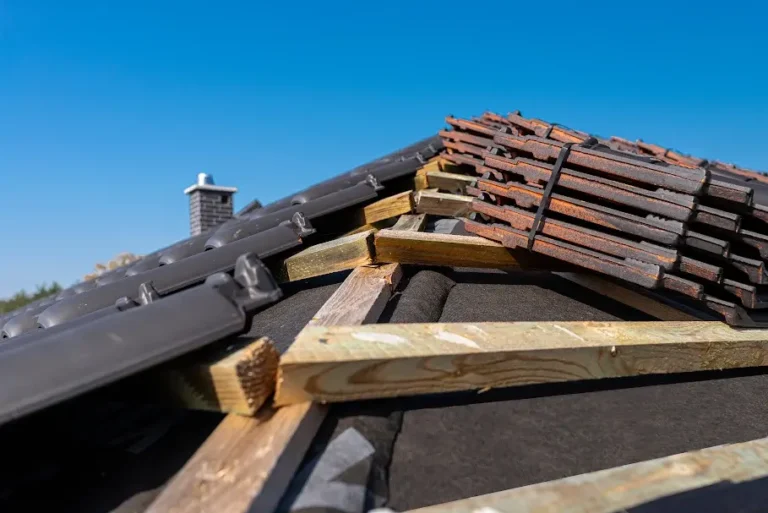
Shingles can curl, crack, or break off entirely due to strong winds, hail, UV exposure, or aging. Once shingles stop lying flat, they no longer protect your roof effectively.
How to Fix It:
Replacing individual shingles is a quick fix if damage is limited. A roofing contractor can determine whether repair or replacement is more cost-effective for larger sections. Keep in mind that mismatched shingles affect your roof’s appearance, so try to use the same type and color when possible.
3. Poor Ventilation
Proper ventilation is essential for a healthy roof. If airflow is inadequate, heat and moisture can build up in the attic, damaging insulation, weakening wood framing, and shortening the lifespan of your roofing materials. Poor ventilation can also cause ice dams in colder climates.
How to Fix It:
Your attic should have both intake and exhaust vents. If the space feels hot and humid, you may need additional vents or a fan system. A contractor can assess your current setup and recommend improvements that protect your roof and improve your home’s energy efficiency.
4. Clogged Gutters
Clogged gutters are an overlooked but very common roofing problem. When water overflows or seeps under the shingles, it can cause rot and leaks as leaves, debris, and dirt accumulate. Trapped water can also freeze and create ice dams during winter.
How to Fix It:
Clean your gutters at least twice a year, or more often if your home is near trees. Installing seamless gutter services or gutter guards can reduce debris buildup and help water flow properly. Keeping gutters clear is one of the easiest ways to prevent bigger and more expensive roofing issues.
5. Damaged Flashing
Flashing is the metal material installed around chimneys, skylights, vents, and roof edges. If water enters your home through these openings, flashing may have cracks, rust, or be out of place.
How to Fix It:
Inspect flashing for gaps, rust spots, or lifted edges. Small issues can be resealed with roofing cement, but deteriorated flashing must be replaced. This job often requires precise installation, so many homeowners choose to hire a professional.
Summary
Roofing issues often go unnoticed until they cause visible damage inside the home. Common problems include leaks, damaged shingles, poor ventilation, clogged gutters, and deteriorated flashing. Each issue can lead to mold, wood rot, and higher repair costs if ignored. Hiring a professional for inspections and repairs is always a good idea.
FAQs
1. How often should I inspect my roof?
Twice a year, usually in spring and fall, is ideal for catching early problems.
2. Can I repair small roofing issues myself?
Minor fixes are possible, but major damage should be handled by a professional.
3. What causes roof leaks the most?
Damaged shingles, worn flashing, and clogged gutters are the most common culprits.
4. Is moss bad for my roof?
Moss traps moisture and can cause shingles to deteriorate faster.
5. How long does a typical roof last?
It depends on the materials used, but most roofs last 15–30 years with proper care.