If you plan to upgrade your house’s outside, the first thing you’ll want to know is how much new siding costs. New siding is a big expense, but it also makes the house look nicer, keeps it safe, and adds value. Prices depend on the type of siding, how big the house is, the cost of labor, and where you live. The early knowledge of such costs will aid in planning a budget.
Most homeowners do not realize that the exterior appearance of the house, insulation requirements, and the level of customization you choose can significantly influence siding costs. Understanding the factors behind these costs and what the installation process involves helps you avoid unexpected expenses and make informed decisions. Planning also allows you to select materials that align with your long-term maintenance needs, offering both durability and an attractive finish. Working with professional siding services ensures proper installation, quality materials, and expert guidance to maximize both curb appeal and value.
Average Cost of Siding in the United States
The cost of siding varies depending on house size, material type, labor, and location. On average, here are the estimated costs:
- Vinyl siding: $5–$10 per sq.ft.
- Fiber cement siding: $7–$15 per sq.ft.
- Wood siding: $8–$18 per sq.ft.
- Metal siding: $10–$20 per sq.ft.
- Engineered wood siding: $7–$12 per sq.ft.
Smaller homes with simple designs are usually cheaper, while larger homes or more complex exteriors will cost more. Labor rates also differ by region, and homes in urban areas tend to have higher installation costs.
Material Choices and Price Differences
Choosing the right siding material affects cost, maintenance, long-term durability, and how it pairs with exterior trim. Here’s a breakdown:
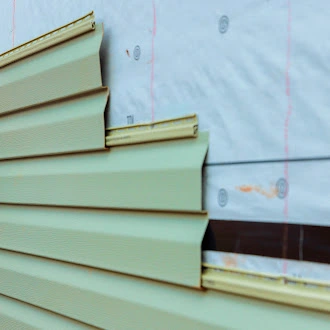
Vinyl Siding
- Budget-friendly and low maintenance
- Resistant to rot, pests, and fading
- Easy to clean and repair
Fiber Cement Siding
- Durable and fire-resistant
- Can mimic wood texture and color
- Requires professional installation for best results
Wood Siding
- Natural and attractive appearance
- Needs regular maintenance (painting or staining)
- Provides good insulation
Engineered Wood & Metal Siding
- Engineered wood: combines durability with a realistic wood look
- Metal siding: long-lasting, low maintenance, and energy-efficient
- Slightly higher upfront cost, but excellent ROI
Tip: Always consider long-term maintenance and energy efficiency when choosing siding materials.
Labor Costs and Installation Complexity
Labor typically accounts for 40–60% of total siding costs. Factors affecting labor include:
- House size and number of stories
- Number of windows, doors, or uneven surfaces
- Removal of old siding or wall repairs
- Adding insulation or special trims
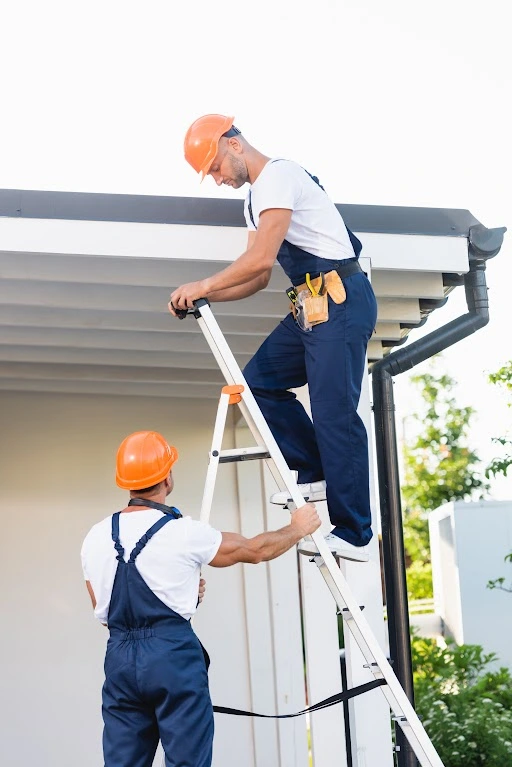
Professional siding installers ensure your siding is properly aligned, watertight, and durable, protecting your warranty and preventing costly repairs later.
How Siding Improves Energy Efficiency
Modern siding options can reduce heating and cooling costs by:
- Blocking air leaks
- Maintaining consistent indoor temperatures
- Using insulated panels for better energy efficiency
Energy-efficient siding might cost more upfront, but it pays off over time with lower utility bills and a comfortable living environment.
Maintenance and Long-Term Value Considerations
- Vinyl and metal siding require minimal maintenance
- Wood siding needs regular painting or staining
- Durable siding prevents water damage, pests, and structural issues
- Well-maintained siding enhances curb appeal, increases home value, and reduces long-term costs
Investing in affordable siding solutions now can save money in repairs and improve your home’s exterior for years.
Return on Investment and Home Value
Replacing or installing new siding can provide a high ROI:
- Improves curb appeal and marketability
- Increases buyer confidence during resale
- Adds insulation and energy efficiency
- Creates a fresh, modern look for your home
Neutral colors and durable materials are preferred by buyers and offer the best return.
Planning Your Budget and Getting Accurate Estimates
- Request multiple quotes from licensed siding contractors
- Ensure estimates include: siding material, labor, removal of old siding, permits, and cleanup
- Be cautious of unusually low bids; they may indicate subpar workmanship
Proper planning helps you select the right materials and contractors while staying within budget.
Conclusion
Installing new siding is a smart investment in your home’s appearance, energy efficiency, and value. By understanding siding costs, evaluating material options, and hiring professional installers, you can make informed decisions that save money and enhance your home’s curb appeal. For homeowners looking for reliable, high-quality siding solutions, Roof Tops offers professional siding installation, affordable siding options, and expert guidance to help you achieve the perfect exterior for your home.
Frequently Asked Questions
1. How long does siding installation take?
Most residential projects take 1–2 weeks, depending on home size and complexity.
2. Does siding replacement increase home value?
Yes, siding enhances curb appeal, energy efficiency, and overall buyer confidence.
3. Can siding be installed over old materials?
Sometimes, but removing old siding usually ensures a better, longer-lasting installation.
4. What is the most cost-effective siding option?
Vinyl siding is generally the most budget-friendly option for most homeowners.
5. How often should siding be replaced?
Depending on material and maintenance, most siding lasts 20–50 years.